How Offshore Support Helps Logistics Companies Scale
Growth in logistics rarely happens at a perfectly steady pace. A new customer contract, seasonal surge, increased freight volume or expansion into another location can quickly create more work across operations, customer service and administration.
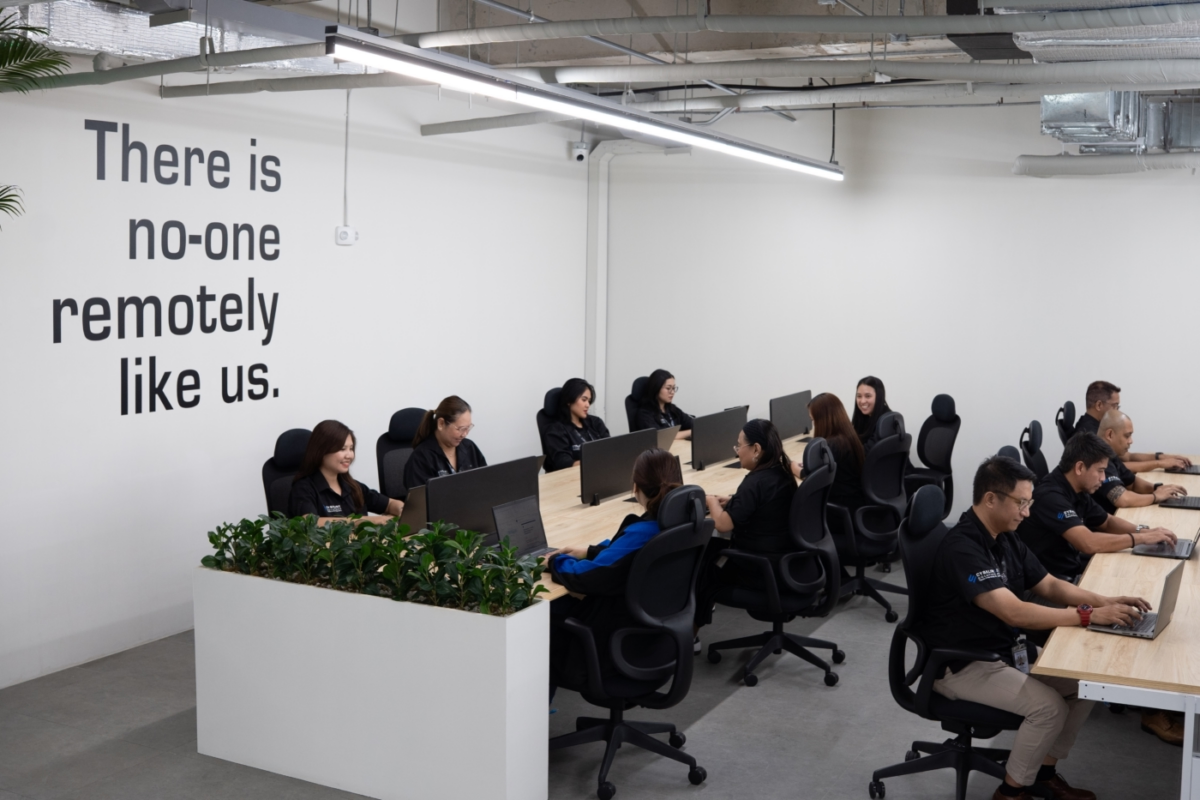
For logistics businesses, responding to that growth does not always mean adding more permanent local employees. Offshore support for logistics companies provides another way to increase capacity while keeping local teams focused on the physical and strategic parts of the operation.
From shipment coordination and customer enquiries to billing, reporting and order administration, many functions can be handled by an extended team working within the same systems and processes.
The result is a more flexible operating model that can adapt as demand changes.
Offshore Support for Logistics Companies Creates Flexible Capacity
Logistics workloads can change significantly from week to week.

Free Download
Is Your Business Ready to Outsource?
Find out in 3 minutes with our free Outsourcing Readiness Checklist.
A business may manage normal volumes comfortably and then suddenly face a surge in bookings, additional customer accounts or a peak delivery period. When this happens, local teams can quickly become stretched.
Hiring additional permanent staff every time volumes rise can create higher fixed costs and may not make sense when demand fluctuates.
Offshore support gives logistics businesses another option.
Dedicated offshore professionals can assist with recurring tasks such as shipment bookings, transport scheduling, delivery tracking, proof-of-delivery administration, order processing, customer updates and documentation.
Because these activities are largely system-based, they do not necessarily need to be completed in the same location as the warehouse, depot or transport fleet.
This allows logistics companies to build additional operational capacity around their actual workload.
Local employees can remain focused on activities that require physical presence, supplier or carrier relationships, safety, warehouse performance and operational decision-making, while the offshore team supports the processes surrounding them.
The business gains capacity without automatically adding the same level of fixed staffing overhead.
Keep Service Moving When Demand Increases
Growth can be positive for a logistics business, but it also creates more customer communication.
Every additional booking can generate status enquiries, delivery updates, schedule changes, documentation requests and follow-ups. If customer volumes grow faster than the support team, response times can quickly suffer.
That can affect the customer experience even when the physical logistics operation is performing well.
An offshore customer service or logistics coordination team can provide extra support during these periods.
Team members can monitor shipment information, respond to routine enquiries, update customer records, follow up carriers and escalate issues that require local intervention.
The same model can support back-office functions.
As transaction volumes increase, so do invoices, supplier bills, purchase orders, claims and reporting requirements. Offshore billing officers, accounts staff, order management specialists and administrators can help manage this additional workload without drawing operational employees away from their core responsibilities.
For management, this can create greater consistency.
Instead of relying on overtime or asking employees to constantly switch between operational and administrative tasks, businesses can establish clearer responsibilities across local and offshore teams.
That can improve response times, reduce bottlenecks and make it easier to maintain service levels as volumes increase.
Build Offshore Capability for Long-Term Logistics Growth
The strongest offshore models are not simply used when a business becomes busy.
Over time, dedicated offshore professionals can learn the company’s customers, systems, service standards and operational processes. This knowledge allows them to become more integrated into day-to-day logistics operations.
That creates an opportunity to build capability rather than simply add temporary capacity.
A logistics company might begin with one coordinator supporting bookings and shipment updates. As the business grows, that team could expand into customer service, order management, finance, reporting or IT support.
Clear processes are essential.
Offshore employees need defined responsibilities, system access, escalation procedures, performance expectations and regular communication with local teams. When these foundations are in place, work can be distributed more efficiently without sacrificing visibility or accountability.
The broader benefit is scalability.
Businesses can respond to new customers, seasonal demand or operational expansion without requiring every increase in workload to result in another local hire.
At Cybalink Solutions, we help businesses build dedicated offshore teams across logistics operations, customer service, finance, administration, data and technology.
For logistics companies, offshore support is not about moving the physical operation elsewhere. It is about strengthening the people and processes behind that operation so the business can handle more volume, respond more effectively to customers and use local expertise where it delivers the most value.
As logistics businesses grow, the ability to scale support alongside demand can become an important competitive advantage.
Looking to build more capacity into your logistics operation? Get in touch with Cybalink Solutions to explore how a dedicated offshore team could support your growth.
Ready to Transform Your Business?
Discover how Cybalink Solutions can help you achieve up to a 70% overhead reduction through our Philippine outsourcing solutions. Let's explore how to optimize your operations, lower costs, and increase margins.
Book a free consultation!