
How Architectural Firms Can Integrate Offshore Drafting and BIM Teams Successfully
Architectural firms often turn to offshore support for one clear reason: they need more capacity. But adding extra people alone does not automatically improve project delivery. The real value comes from how well offshore professionals are integrated into the wider team.
When drafting, BIM and modelling professionals understand a firm’s standards, communication style and project expectations, they can do more than help clear a backlog. They can become a reliable extension of the internal team, supporting consistent delivery while giving architects and project leaders more room to focus on design, coordination and clients.
For firms exploring architectural outsourcing, the question is not only where work is completed. It is how people, processes and technology are brought together to maintain quality and keep projects moving.
Start With Clear Standards and Expectations
Successful offshore collaboration begins with clarity.
Architectural work involves detailed information, multiple revisions and decisions that often affect other disciplines. If expectations are unclear, even technically capable professionals can lose time interpreting how a firm wants work completed.
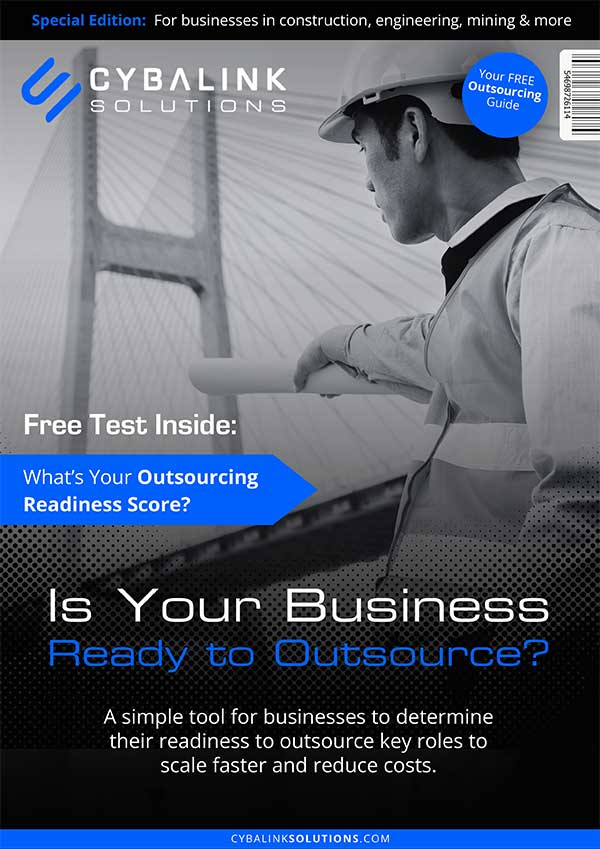
Free Download
Is Your Business Ready to Outsource?
Find out in 3 minutes with our free Outsourcing Readiness Checklist.
Before offshore team members begin supporting live projects, firms should establish the standards they are expected to follow. This may include drawing templates, naming conventions, BIM protocols, model structures, file management processes and quality review requirements.
Clear role boundaries are equally important. Offshore professionals should understand which tasks they can progress independently, which items require review and when they should raise questions with the in-house team.
This reduces unnecessary back-and-forth and helps prevent small misunderstandings from becoming larger coordination issues.
A structured onboarding process can also improve consistency. Rather than expecting new team members to learn everything through trial and error, firms can provide sample drawings, reference models, workflow guides and examples of completed work.
The benefit is not just faster onboarding. It creates a stronger foundation for quality, making it easier for offshore professionals to produce work that aligns with the firm’s existing standards from the beginning.
Make Collaboration Part of the Daily Workflow
Offshore teams are most effective when they are treated as part of the project team rather than as a separate production resource.
That means communication should be built into everyday workflows.
Regular check-ins, clearly assigned tasks and shared project platforms can help everyone understand priorities, deadlines and changes. Mark-ups and feedback should also be specific enough for team members to act on without unnecessary interpretation.
Technology makes this easier. Cloud-based document environments, BIM collaboration platforms, video meetings and project management tools allow teams to share information and work across locations with greater visibility.
Time zone differences can also support more continuous progress when handovers are well structured. One team may complete reviews or issue mark-ups while another continues production during its working hours. The advantage comes from coordination, not simply from having people working at different times.
Communication should also work both ways. Strong offshore professionals should feel comfortable asking questions, flagging inconsistencies and raising potential issues before they affect later stages of the project.
When that level of collaboration becomes routine, firms can reduce delays, improve accountability and create a more connected delivery process across locations.
Build Offshore Capability for Long-Term Value
The strongest offshore models are not built around one-off tasks. They develop over time.
As offshore team members become familiar with a firm’s projects, standards and ways of working, they can operate with greater confidence and require less day-to-day direction. This accumulated knowledge can make the team more efficient and improve consistency across future projects.
It also gives firms greater flexibility when workloads change.
Instead of increasing permanent headcount every time project demand rises, businesses can build offshore capability around their pipeline and scale support as requirements evolve. This can help control fixed staffing costs while maintaining access to the technical capacity needed during busy periods.
For internal teams, the benefit is equally important. Architects, senior designers and project leaders can spend less time absorbed in repetitive production work and more time on design development, client engagement, technical reviews and project decisions.
At Cybalink Solutions, we help architectural, engineering, construction and resources businesses build dedicated offshore teams in the Philippines. For architectural firms, this can include drafting, BIM and Revit professionals who work within established systems and become part of the wider delivery team.
Offshore support works best when it is approached as a capability, not simply a cost-saving measure. With clear standards, strong communication and the right people in place, firms can improve how work is distributed, strengthen project delivery and create more capacity for growth.
If your firm is exploring ways to expand drafting and BIM capability without overloading internal teams, get in touch with Cybalink Solutions to discuss how an offshore team could support your project delivery.
Ready to Transform Your Business?
Discover how Cybalink Solutions can help you achieve up to a 70% overhead reduction through our Philippine outsourcing solutions. Let's explore how to optimize your operations, lower costs, and increase margins.
Book a free consultation!